
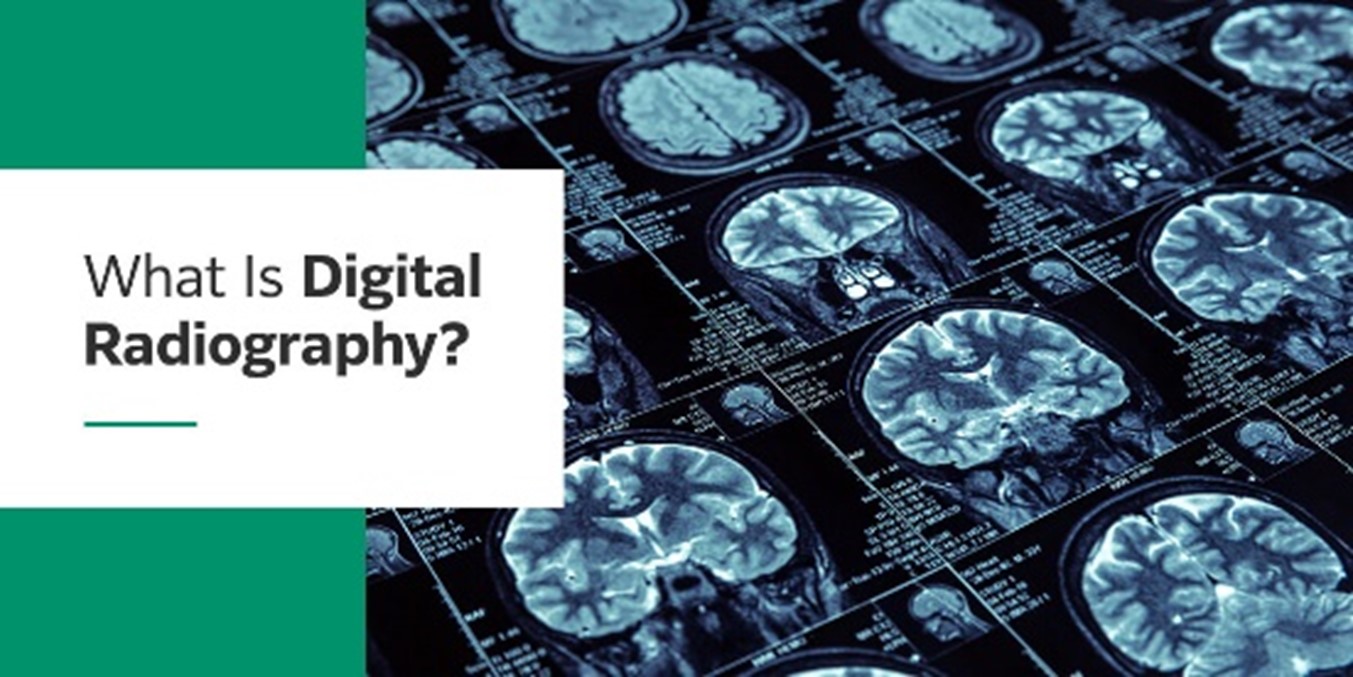
Digital radiography (DR) inspection provides numerous benefits to the non-destructive testing community, including real-time applications, improved detail detectability and lowered inspection times.
Understanding Digital Radiography Testing
Digital radiography inspection is an innovative form of radiography using X-ray-sensitive plates to capture data for many fields, such as aerospace, automotive, defence, nuclear, oil and gas, museums and more.
Some applications for this solution include:
- Aerospace product examination.
- Detection of Corrosion Under Insulation (CUI) in petrochemical, oil and gas, and power generation industries.
- Foreign object detection, paintings/artwork at museums.
- Casting and weld inspection.
- Composites and fibre reinforced components inspection.
- 3D printing.
With direct radiography (DR), this data immediately gets transferred to a computer without needing an intermediate disc or cassette. The technology allows for real-time digital transfers, making the images and information available for analysis within seconds.
Digital radiography cassettes, required in computed radiography (CR), use state-of-the-art photo-simulated screens to capture X-ray imagery instead of traditional X-ray films, which can be time-consuming and expensive. A reader then converts the data from computer radiography cassettes into a digital format. Because digital radiography imaging plates are durable and flexible, they do not require a rigid holder.
Types of Digital Radiography

Compared to conventional radiography, digital radiography comprises discrete values, eliminating the requirement for darkroom procedures. Digital radiography may be indirect, semi-direct or direct. There are two primary types of digital radiography: computed radiography and direct radiography.
Computed Radiography vs. Direct Digital Radiography
Computed Radiography
Computed radiography, also known as CR, uses photostimulable phosphor for an image receptor, held in a casing similar to traditional film. Computed radiography can harness radiation absorption to trap electrons at energy levels through the photostimulable luminescence process.
The computed radiology plate features a thin layer of phosphor grains, which get stimulated via X-ray radiation. This process will trap electrons in the lattice until the next round of illumination.
Exposing the computed radiography plate to a high-intensity laser allows the previously trapped electrons to return to their original valence bonds and emit violet light. Next, a photomultiplier tube interprets this light and converts it into an electric signal, which an analogue-to-digital converter can map out and digitise onto a pixel matrix. You can reset the plate using white light, allowing you to reuse it if you handle it carefully.
View our Computed Radiography Equipment .
Direct Digital Radiography
In contrast to computed radiography, direct digital radiography does not rely on intermediate processing to obtain the digital signals. The two leading conversion methods include direct and indirect conversion. Indirect conversion received its name because it still uses a scintillator to transform X-rays into light before converting them to an electrical charge for readout.
During indirect conversion, X-ray photos react with a caesium iodide scintillator, which gets converted to light. The scintillator’s needle-like structures serve to minimise scatter during this process. Next, the light will reach a low-noise photodiode array, converting it into an electrical charge. These photodiodes represent single pixels, producing a digitally read electrical charge that then gets transferred to an image processor.
On the other hand, direct conversion refers to a technique that directly converts the absorbed X-ray into proportional electrical charges without the need for an intermediate scintillating process. Direct conversion requires the use of semiconductor material, producing electron-hole pairs proportional to the incident X-ray intensity. In most cases, the semiconductor used is amorphous selenium.
View our DDA panels.
View our A-DDA system.
Digital Radiography vs. Traditional Film
German physics professor William Roentgen accidentally discovered traditional X-rays in 1895. Since then, they have been a valuable screening tool to help physicians diagnose multiple health conditions in medical settings. Digital radiography is also essential in many other functions, including aerospace product examination and casting and welding inspection.
As X-ray technology has continued advancing, it has become more accessible due to its lower costs. Digital radiography is a quick, efficient exam that can diagnose issues in medical and non-medical applications.

Digital radiography is also cost-effective because it doesn’t use expensive film or rely on costly materials to develop it. Digital X-rays offer nearly unlimited storage space because you can easily transfer the images onto a hard drive. Traditional film can make it challenging to efficiently store and access images, especially since they tend to degrade over time.
Digital radiography images do not experience these issues because you can access the archive anytime without the concern of image degradation. Whether in medical or non-medical applications, image quality is paramount. You need clear images to make a medical diagnosis or detect a structural anomaly.
With DR, you can receive images in real-time and get results within seconds. If needed, you can also enlarge and enhance the image without adversely affecting its clarity or quality. Conventional film often becomes distorted or irregular when enlarged for potentially difficult-to-see issues.
To summarise, some main advantages of digital X-rays over traditional film include:
- Reduce Radiation: this technology can provide high-quality results while producing significantly less radiation.
- Cost-effective: you won’t need to use expensive film or rely on costly materials to develop it, and imaging plates are totally reusable.
- Easy & Unlimited Storage: digital X-rays offer nearly unlimited storage space because you can easily transfer the images onto a hard drive.
- Receive Images Instantly: receive images in real-time and get results within seconds.
- Enhance & Enlarge Images: you can enlarge and enhance images without adversely affecting its clarity or quality.
Benefits of Digital Radiography
Because digital radiography does not require the chemical processing of film, it is far more efficient and safer for the environment. Results with DR are much quicker, improving productivity and enabling ease of storage and portability. While the benefits of digital radiography may vary from facility to facility and depend on your company’s unique needs, some of the most notable benefits of digital radiography include:
Quality care
Digital radiography uses significantly less radiation, making it a safer and more effective form of radiology. Additionally, DR is highly accurate, with a low chance that you will need to retake an X-ray.
Processing times
Processing times for traditional X-rays were time-consuming and expensive. You would need to wait for the film to develop in a darkroom before viewing the pictures. On the other hand, you can view the images gained from digital radiography in real-time, streamlining consultations, improving overall processing times and enhancing productivity for businesses and clients.
Ease of use
Digital radiography requires minimal training and is relatively easy to use for many professionals. It is a more straightforward process than traditional radiography.
Imaging quality
Imaging quality is one of the central aspects of NDT applications, as each function needs clear and reliable images to complete a test or project. Digital radiography can produce higher-quality images than traditional imaging processes, allowing your business to focus on minor irregularities you might have otherwise missed. High-quality images are possible because DR has specialised software that can electronically manipulate images for improved definition.
Image sharing
Image sharing is also much quicker and more effective than manually or physically transporting physical X-ray films between departments and even facilities, expediting a professional’s ability to complete a project.
Data storage
In addition to improved image sharing, storage is also much more efficient, significantly reducing the risk of misplaced or lost images. You can safely store digital radiography results on a hard drive, limiting access to unauthorised parties. Then, you can retrieve these images for review when needed.
Resources
Another benefit of digital radiography is that it does not require chemical developers or film processors. Digital radiography requires a one-time installation investment, followed by routine maintenance to ensure the machinery runs smoothly. Additionally, digital radiography can help reduce labour costs for facilities as these digital X-rays do not take long to develop.
Additional benefits of digital radiography include:
- Improved signal-to-noise ratio
- Portable radiographic system
- Improved dynamic range with multiple thicknesses
- Immediate feedback
- Efficient electronic data transfers to customers
- Reduced downtime and increased productivity levels
- Possible to enlarge and enhance images for a detailed view
- Safer for the environment without the need for processing chemicals
- Use of defect-recognition software and analysis tool
3 Digital Radiography Applications
Digital radiography is a versatile tool with benefits across many industries. Some of the best-known DR applications include the following.
Non-Destructive Testing
Non-destructive testing is an analysis technique that can evaluate various properties of a structure, system component or material for welding defects, characteristics anomalies, welding effects and more. NDT, also known as non-destructive evaluation or non-destructive inspection, does not damage the original part.
Non-destructive testing is an umbrella term to describe various inspection tools and methods. NDT is essential for commercial businesses to ensure critical infrastructure maintenance and avoid complications from a potential defect.
Aerospace Product Examination
Product testing for aerospace applications is an essential product test to ensure quality results. Even a tiny error or unnoticed complication can be hazardous for aircraft, increasing the risk of accidents for pilots, personnel and passengers. Reliable testing, such as digital radiography, is one of the most crucial aspects of inspecting, outfitting and maintaining aircraft.

Digital radiography is also vital when designing and developing new aircraft. The technology can ensure an aircraft’s quality and raise its overall reliability rating to ensure safety. Digital radiography has become widely used in the aerospace industry and other settings, including industrial gas turbines, automotive, defence, nuclear, construction, and the oil and gas industries.
Corrosion Under Insulation Detection
Corrosion under insulation is a severe form of external decay that often occurs on insulated carbon and stainless steel and low-alloy steel equipment that operates below 175 degrees Fahrenheit or at high temperatures. In most cases, this phenomenon happens in petrochemical, offshore, refining and marine industries. If undetected or left untreated, it can cause dangerous complications.
Severe or untreated corrosion under insulation may increase the risk of prolonged downtime, equipment failure and leaks. In time, it may require expensive repairs or even entire replacements while also contributing to various environmental and safety concerns. Digital radiography can help effectively detect any instances of this issue.
Choose Fujifilm for Premium Non- Destructive Testing

Fujifilm is a leading provider of superior imaging solutions for NDT applications. With nearly a century of experience in imaging excellence, our products, and the support that comes with them, is trusted and relied upon by customers around the world. Contact us today [Hyperlink to form] for information on our Computed Radiography System, Digital Detector Array Panels, and Diagnostic Imaging Software UV.